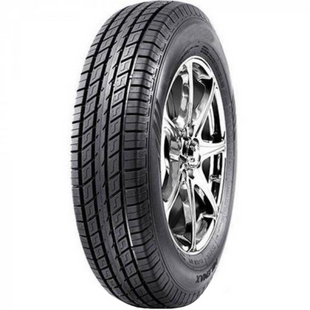
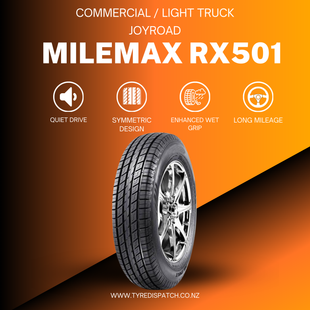
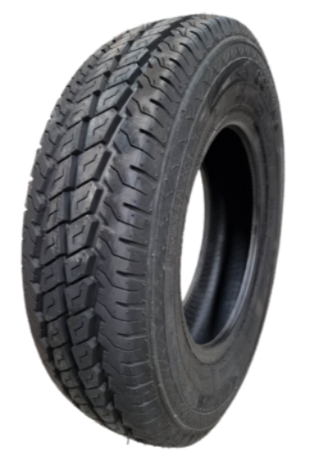
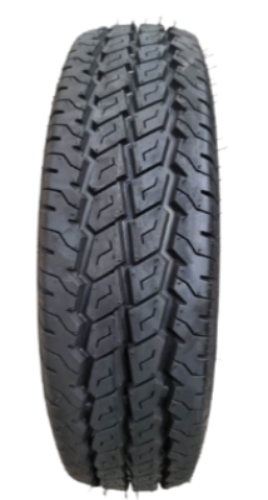
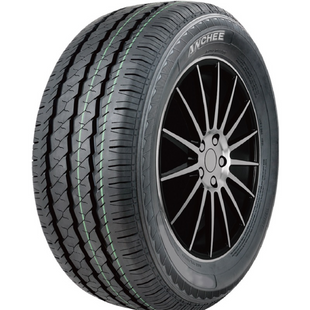
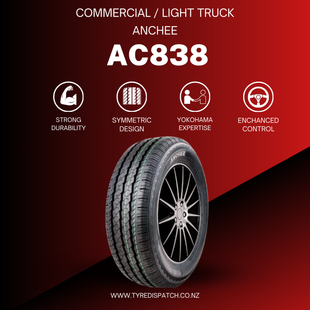
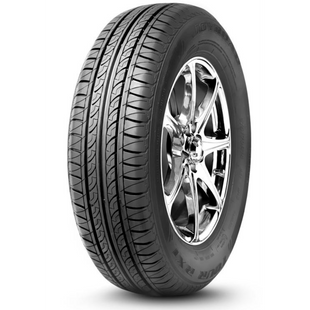
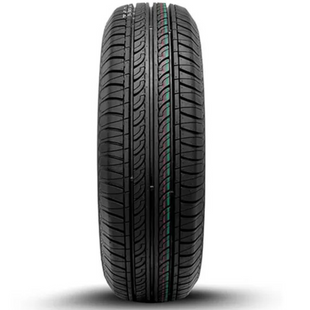
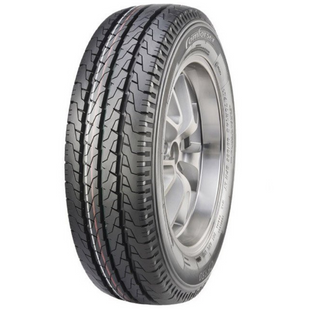
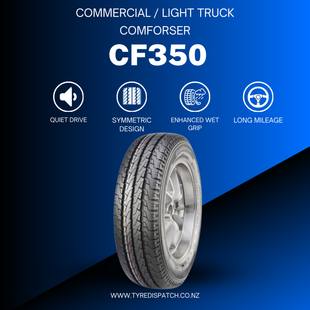
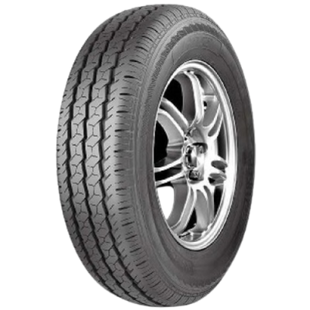
LT (Light Truck) and Commercial (C) tyres are built for vehicles that do real work: utes carrying tools, vans doing stop-start delivery, and light trucks at highway speeds under load. The goal is simple: carry weight safely while controlling heat.
How to Spot Them
-
LT-metric: Size starts with "LT" (e.g., LT265/70R17)
-
Commercial (C): Size ends with "C" (e.g., 215/65R16C)
-
Load Range: C, D, E, F, or G on sidewall
-
Service description: e.g., 121/118S (load index + speed rating)
Critical safety rule: If your ute/van was factory-spec'd with LT or Commercial tyres, don't down-spec to passenger tyres. P-metric tyres are de-rated by ~9-10% for light-truck service — heat + overload is where failures happen.
The most common mistake is choosing tyres based on price instead of duty cycle. Here's the quick guide:
Best for: Utes, towing, heavy payloads, mixed road/gravel. Reinforced casing reduces flex under load, improving stability and lowering heat build-up. Essential for regular towing.
Example: LT265/70R17, LT285/75R16 • Load Range: C, D, E
Best for: Delivery vans, trades vans, couriers, motorhomes. Optimised for stop-start driving, kerb resistance, and predictable handling when loaded. Strong sidewalls survive urban abuse.
Example: 215/65R16C, 195/65R15C • Typical: Hiace, Transit, Sprinter
Best for: SUVs/crossovers with light loads, comfort-focused driving. Lower load capacity, softer ride. Not suitable for regular towing or heavy payload work.
Warning: ~9-10% de-rated for LT service • Don't substitute for factory LT spec
Best for: Heavier SUVs, occasional load. More capacity than standard passenger tyres but still not true LT/C construction. Check load index matches your needs.
Note: Bridge between P-metric and LT • Good for occasional use
Load Range indicates maximum rated inflation pressure (and therefore maximum load capacity). It doesn't mean run max pressure all the time — match pressure to your actual load.
How to choose: C = light commercial, moderate loads. D = heavier use, frequent towing. E = heavy-duty utes, high payload, serious towing. Choose a load range that covers your real loads with 15-20% safety margin.
The most searched work vehicle tyre sizes. Click any size to browse available options:
Hiace, Transit, Sprinter, Ducato
Smaller vans, commercial hatchbacks
RAV4, CX-5, Outback, Forester
Ranger, Hilux, D-Max, Navara
Land Cruiser, Patrol, heavy utes
Transit Connect, smaller commercials
Light commercials, older vans
Fleet order? We offer fleet accounts with priority dispatch. Request a quote for volume pricing.
Don't buy for the 5% scenario — buy for your daily work:
📦
Courier / Delivery Vans
Commercial "C" tyres focused on wet safety + kerb durability. Stop/start and kerbing destroy weak casings fast.
🪚
Trades Utes (Tools Daily)
LT tyres with appropriate load range (often C/D/E). Payload + towing stability + heat control on motorway runs.
🚤
Regular Towing
LT construction with correct load index. Stiffer casing = less sway, better stability. Tyres are the foundation of towing safety.
🛻
Rural / Gravel Access
Robust LT patterns with good cut/chip resistance. Sharp aggregate damage costs more than the tyre.
🏕️
Motorhomes / Campers
Match factory spec (often Commercial "C" or LT). High constant load + long-distance heat exposure demands proper construction.
🛣️
Highway Fleet Work
Road-focused LT/Commercial with strong wet braking + long life. Lower rolling resistance reduces total operating cost.
Most "mystery wear" in commercial tyres is actually pressure mismatch. LT tyres don't have one perfect pressure — they have a load/pressure relationship.
Quick Best Practice
-
Start with door placard — this is your baseline
-
Match pressure to actual load using manufacturer tables
-
Build 15-20% reserve above maximum expected load
-
Check cold — always before driving, not after
-
Never exceed vehicle placard OR tyre max (use lower of the two)
Common mistakes: Running max pressure when unladen → harsh ride + centre wear + reduced grip. Not increasing pressure when loaded → shoulder wear + heat build-up + potential failure.